
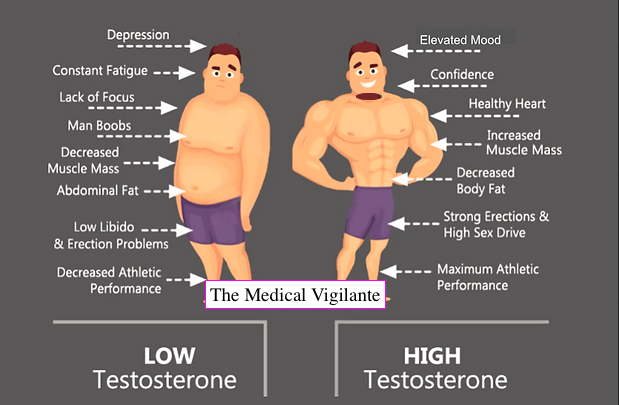
In recent years, men around the world have been facing an invisible health crisis: a dramatic decline in testosterone levels. This vital hormone, responsible for energy, muscle mass, sexual drive, mental focus, heart health, fat reduction, and overall well-being, is plummeting at an alarming rate. The consequences are widespread, affecting everything from physical performance to mental health. But there is hope.
Discover the underlying causes of this decline and learn about effective, natural solutions that can help you restore your vitality, making you feel more like the absolute best version of yourself and take control of your life. Read on to find out how you can combat this modern day epidemic and boost your testosterone levels safely and effectively.
Believe it or not, an average 20 year old man today has less testosterone than a 70 year old man in the year 2000. At first glance that sounds impossible, but is it really that far-fetched?
In a startling revelation, recent studies have highlighted a concerning trend: the average testosterone levels in young men today are significantly lower than those of older men from previous generations. Specifically, the average testosterone level in a 20-year-old man in 2020 is less than that of a 70-year-old man in the year 2000. This decline is not only unexpected but also alarming, as it suggests a rapid generational shift in male hormonal health. The causes of this drop are multifaceted, ranging from environmental factors and lifestyle changes to increased stress and poor dietary habits. As testosterone plays a crucial role in numerous bodily functions, this decline raises significant concerns for the well-being of men worldwide.
Signs and Symptoms of Low Testosterone in Males
1. Decreased Libido: One of the most noticeable symptoms is a reduced interest in sexual activity. Testosterone is a key hormone in regulating sex drive, and low levels can lead to diminished desire.
2. Fatigue and Decreased Energy Levels: Men with low testosterone often experience chronic fatigue and a noticeable drop in energy, making it difficult to engage in daily activities or exercise.
3. Loss of Muscle Mass: Testosterone is essential for muscle growth and maintenance. A decline in testosterone can result in reduced muscle mass and strength, even with regular exercise.
4. Increased Body Fat: Alongside muscle loss, low testosterone levels can lead to an increase in body fat, particularly around the abdomen. This change in body composition can affect overall health and self-esteem.
5. Mood Changes: Testosterone influences mood and mental health. Low levels can contribute to feelings of depression, irritability, and anxiety, significantly impacting quality of life.
6. Reduced Bone Density: Testosterone helps maintain bone density. Low levels can lead to weaker bones and an increased risk of fractures and osteoporosis.
7. Cognitive Decline: Some studies suggest that low testosterone may be linked to difficulties in concentration and memory, affecting cognitive function.
8. Hair Loss: While hair loss is a natural part of aging for many men, low testosterone can accelerate the process or cause hair thinning.
CAUSES
These are some causes, but not all, for the lower levels of testosterone in males today.
- Lose Weight – numerous studies have shown that high body fat lowers testosterone levels. Fat literally has esotrgen receptors in it. Shedding weight—particularly losing belly fat—can help increase testosterone levels. One thing I like to take for slimming down my midsection is L-Carnitine.
- Fast Food – contains high amounts of phyto-estrogens like soy, Phthalates, and overall toxic ingredients. It also can cause liver congestion which indirectly raises estrogen.
- Soy/GMO’s – soy is a plant estrogen and can have long-term influence on growth, digestion, sexual maturation, thyroid health, and breast cancer risk in women
- BPA/Plastics – all around endocrine disruptors and studies have shown connections between BPA and cancer.
- Baby Formula – almost every major baby formula on the market contains soy as a main ingredient. To add insult, it’s GMO Soy, which can cause other abnormalities.
“Hormone Disrupting Chemicals Found in Popular U.S Fast Foods.”
https://www.independent.co.uk/news/science/us-fast-food-chemicals-hormones-b1946082.html
How to Increase Testosterone Levels
After identifying the signs and symptoms of low testosterone, most men want solutions. There are several ways to do this.
Supplements
1. Tribulus Terrestris
Tribulus Terrestris is a plant commonly used in traditional medicine for its potential to enhance male health. It is believed to work by increasing luteinizing hormone (LH) levels, which in turn stimulates testosterone production in the testes. Some studies suggest that Tribulus may help improve libido and sexual function, making it a popular choice in many testosterone-boosting supplements.
2. Tongkat Ali (Eurycoma longifolia)
Tongkat Ali, also known as Malaysian ginseng, is another well-known herb traditionally used to increase male vitality and libido. It has been shown to reduce cortisol levels, which can have a negative impact on testosterone production when elevated. Additionally, Tongkat Ali may help increase free testosterone levels by reducing the binding of testosterone to sex hormone-binding globulin (SHBG), making more of the hormone available for use in the body.
3. Stinging Nettle Leaf (Urtica dioica)
Stinging nettle leaf is known for its potential to support prostate health and overall hormonal balance. The plant contains compounds that may bind to SHBG, thereby increasing the levels of free testosterone. Additionally, stinging nettle may help manage symptoms related to benign prostatic hyperplasia (BPH), a condition that can affect testosterone metabolism.
4. Zinc
Zinc is an essential mineral that plays a critical role in many bodily functions, including immune response and hormone production. It is particularly important for the synthesis of testosterone. Deficiencies in zinc are associated with lower testosterone levels, making adequate intake vital for maintaining healthy levels of this hormone. Zinc supplementation can support testosterone production, particularly in individuals who have a deficiency.
5. Fadogia Agrestis
Fadogia Agrestis is a plant native to Africa, traditionally used for its potential aphrodisiac properties. Recent studies suggest that it may enhance testosterone production by stimulating the Leydig cells in the testes, which are responsible for producing testosterone. Additionally, it may improve sexual health and increase libido. While more research is needed to fully understand its mechanisms, Fadogia Agrestis shows promise as a natural testosterone booster.
6. Vitamin D
Vitamin D, often referred to as the “sunshine vitamin,” is crucial for maintaining bone health, immune function, and hormonal balance. It plays a significant role in the production of testosterone. Studies have shown that men with adequate levels of vitamin D tend to have higher testosterone levels than those who are deficient. Vitamin D may also help reduce SHBG levels, thereby increasing the amount of free testosterone in the body. Supplementing with vitamin D is particularly important for individuals living in areas with limited sunlight exposure.
7. Vitamin B Complex
The B vitamins, particularly B6, B12, and folate, are essential for overall energy metabolism and neurological function. These vitamins are also linked to hormonal health. Vitamin B6, for instance, plays a role in regulating androgens and can influence testosterone production. B12 supports energy levels and overall vitality, which can be indirectly beneficial for maintaining healthy testosterone levels. A well-balanced vitamin B complex supplement can help ensure adequate intake of these crucial nutrients.
8. Boron
Boron is a trace mineral that has been shown to positively influence testosterone levels. It helps by reducing SHBG, which binds to testosterone and renders it inactive. By lowering SHBG levels, boron increases the amount of free, active testosterone in the body. Additionally, boron has anti-inflammatory properties and supports bone health, making it a beneficial supplement for overall well-being. Research indicates that even small doses of boron supplementation can lead to significant increases in free testosterone levels.
Diet
Healthy fats (not only mono- and polyunsaturated fats, but also saturated fats) can be heart-healthy and promote increased levels of testosterone. Getting anywhere from 20 to 35 percent of your daily calories from fats is a good ratio, while making sure that those fats are of the healthy variety. Not seed oils which are very unhealthy.
What healthy fats should you opt for? Some good ones include butter (which contains cholesterol crucial for hormone production) nuts (like almonds and walnuts), seeds (like chia seeds), fatty fish (like salmon and trout), olive oil, coconut oil, avocados and yogurt.
Fun Fact: The cereal industry paid BILLIONS to fund flawed & poorly designed studies and billions in commercial advertising to try to show that cholesterol and fat causes heart disease. In 2024, people are finally waking up. Sugar is actually terrible for your body and your blood vessels. In this video I explain how sugar causes cholesterol buildup and plaque in the arteries.Testosterone Replacement Therapy (TRT)
If you think that your testosterone levels might be low—for instance, if you’re experiencing unexplained tiredness, fatigue, low energy levels, decreased muscle mass, depression or a low sex drive, it’s best to consult a physician, not only to rule out other health issues, but to have your testosterone levels checked. This can be done by a simple blood test, and it will show whether or not your levels are within the healthy normal range for your age. If they’re not, your doctor might want to try testosterone replacement therapy (supplementation of testosterone). Options include a gel, injections, or oral pills. It can be best to consult a doctor first if you suspect you have low testosterone levels. But keep in mind that the range of normal testosterone levels is quite broad, so while you may fall in the normal range, your levels could be on the low end of that range.
Sources:
[1] – https://academic.oup.com/jcem/article/92/1/196/2598434?login=false
Leave a Reply